


Beginning blends can be tricky because students must learn to hear and say two consonant sounds smoothly together without adding extra syllables. Many students can identify individual letter sounds but still struggle to decode words like frog, clap, or stop.
The good news is that students usually improve faster when they get repeated practice with engaging, hands-on phonics games instead of relying only on worksheets.
In this post, you’ll learn a simple step-by-step approach for teaching beginning blends and discover easy phonics games that help students build decoding confidence through repetition and play.
What Are Beginning Blends?
Beginning blends are two consonants that appear together at the beginning of a word while each consonant sound is still heard.
Examples include:
- BR → brush
- CL → clap
- ST → star
- GR → green
Unlike digraphs, both consonant sounds are pronounced. Students need repeated exposure to hearing the sounds, blending them together, reading blend words, recognizing common spelling patterns, and applying blends during reading practice.
Why Students Struggle with Beginning Blends
Many students drop one of the sounds, add a vowel between sounds, guess words from pictures, confuse similar blends, or struggle to hear both consonants clearly.
For example:
- frog becomes fog
- slide becomes side
- stop becomes top
This is why hands-on decoding practice matters. Students need many chances to hear, say, read, and practice beginning blend words in a meaningful way.
Step 1: Introduce One Blend Family at a Time
Start with one blend group before mixing several patterns together. A simple teaching sequence is:
- S blends
- L blends
- R blends
Teaching one blend family at a time helps students notice sound patterns without feeling overwhelmed.
Step 2: Model the Sounds Slowly
When introducing beginning blends, stretch the sounds slowly, avoid adding extra vowel sounds, model mouth movement clearly, and have students repeat the blend together.
For example:
“ssss-t” → st
Then connect the blend to real words such as:
- star
- stop
- stick
Step 3: Practice Reading Blend Words in Isolation
Before students read beginning blends inside books or passages, they need focused decoding practice with individual words. This helps students focus on the blend pattern, build automaticity, strengthen phonemic awareness, and improve decoding speed.
Good practice formats include:
- task cards
- phonics centers
- matching games
- partner games
- phonics card games
Step 4: Use Hands-On Phonics Games for Repeated Practice
One of the easiest ways to increase decoding practice is through simple game formats students already understand. UNO-style phonics games work especially well because students stay engaged while repeatedly reading beginning blend words during play.
These games are ideal for literacy centers, small groups, intervention, partner work, ESL students, and early finishers.
S Blends Activities for First Grade Phonics
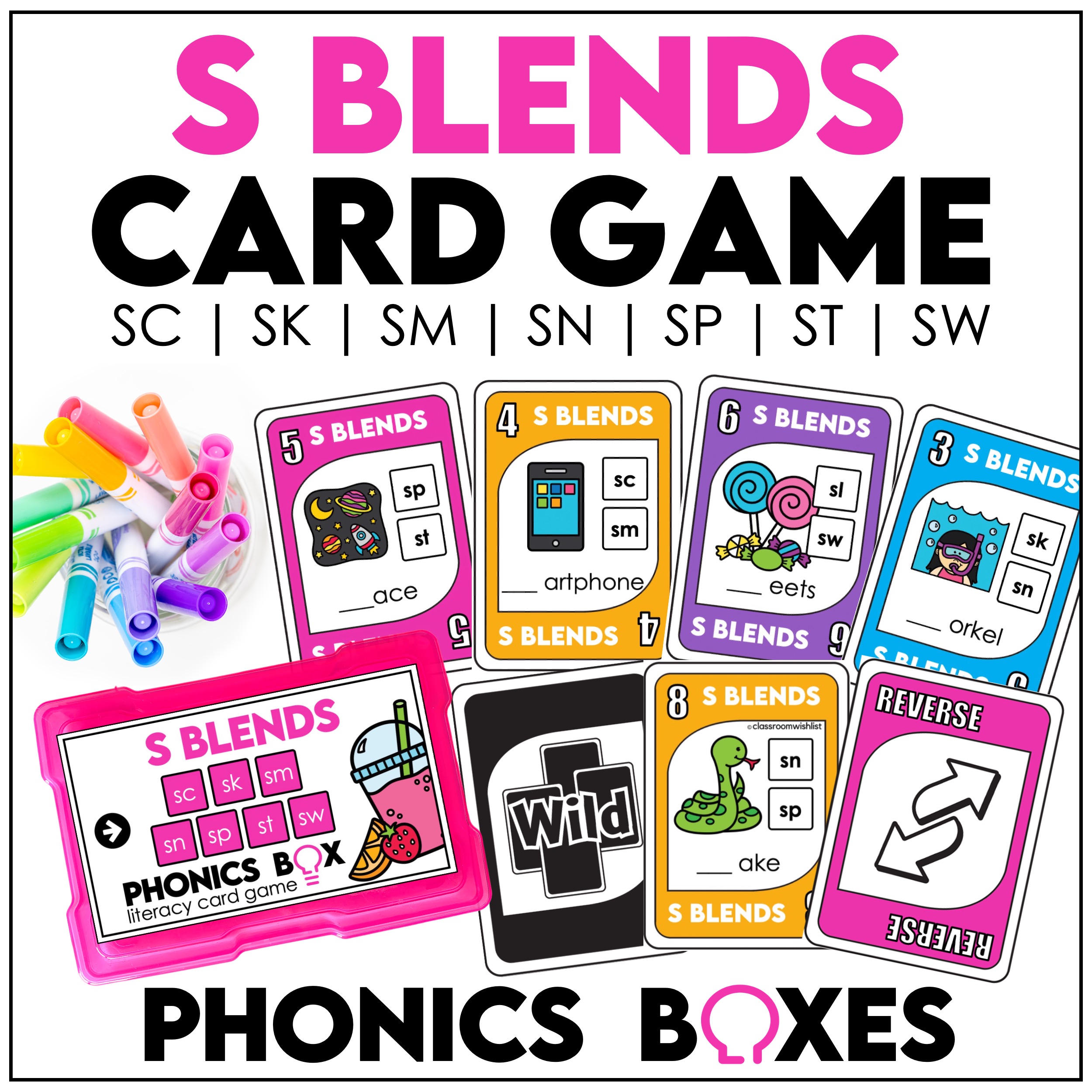
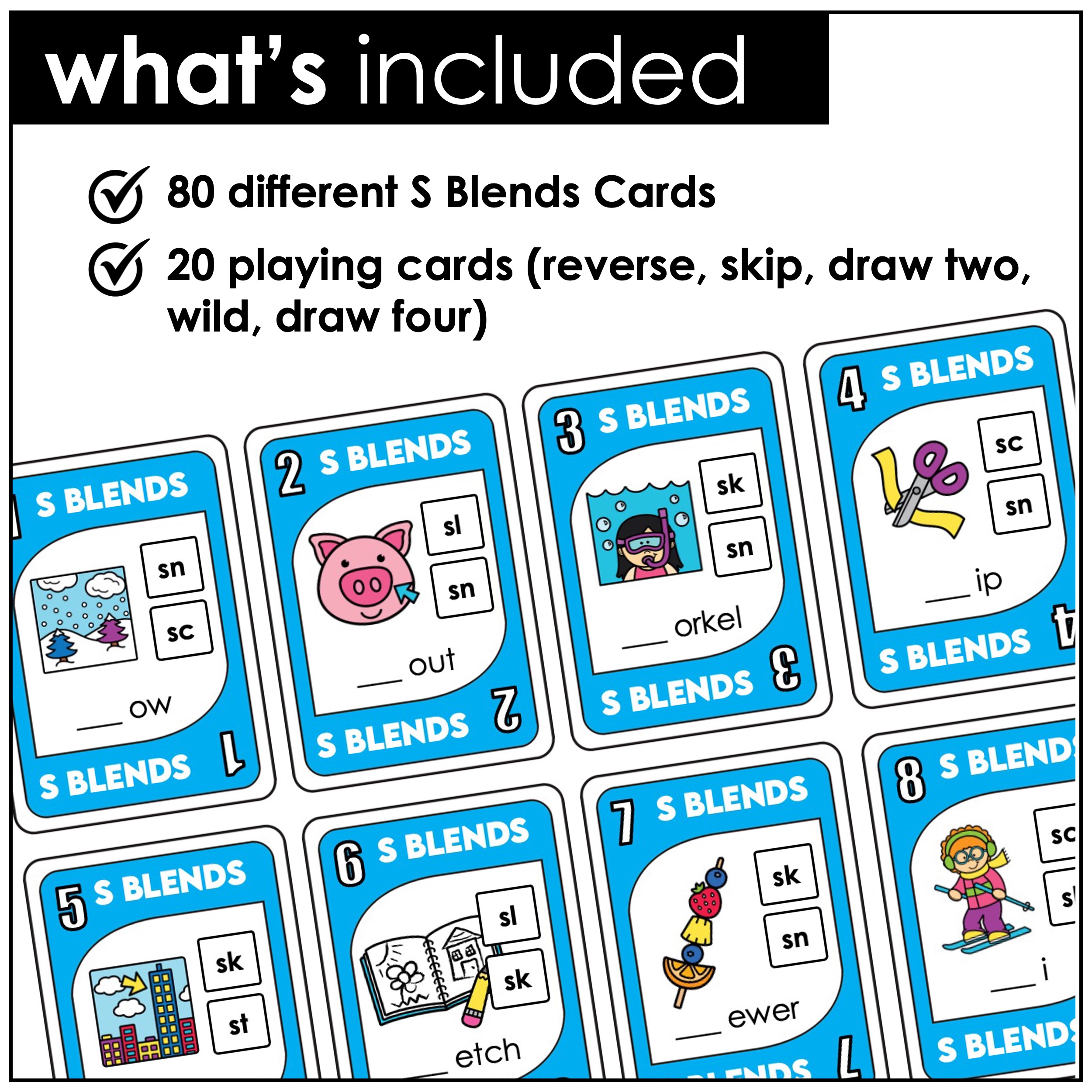
The S Blends UNO-Style Card Game gives students repeated practice reading beginning blend words with SC, SK, SM, SN, SP, ST, and SW.
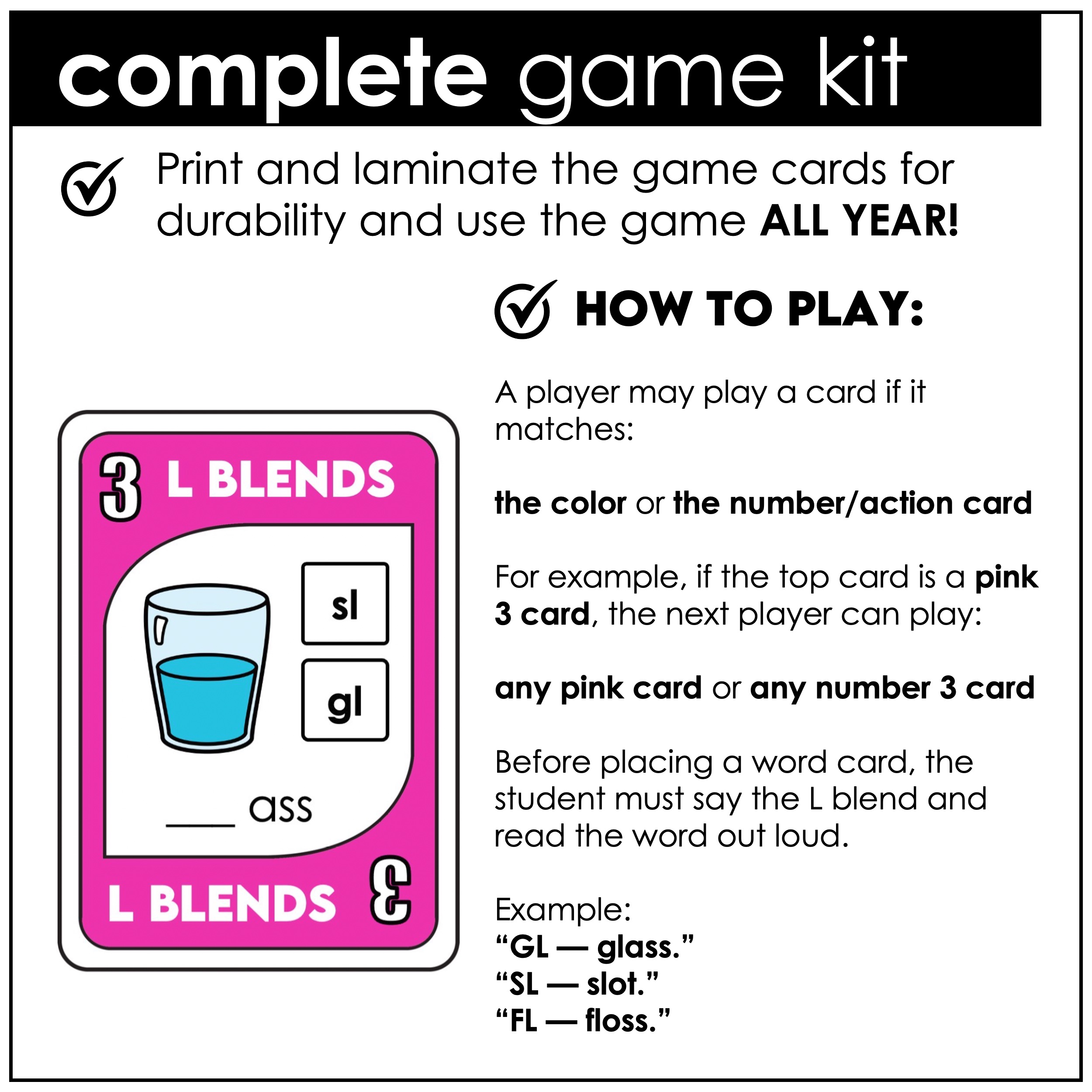
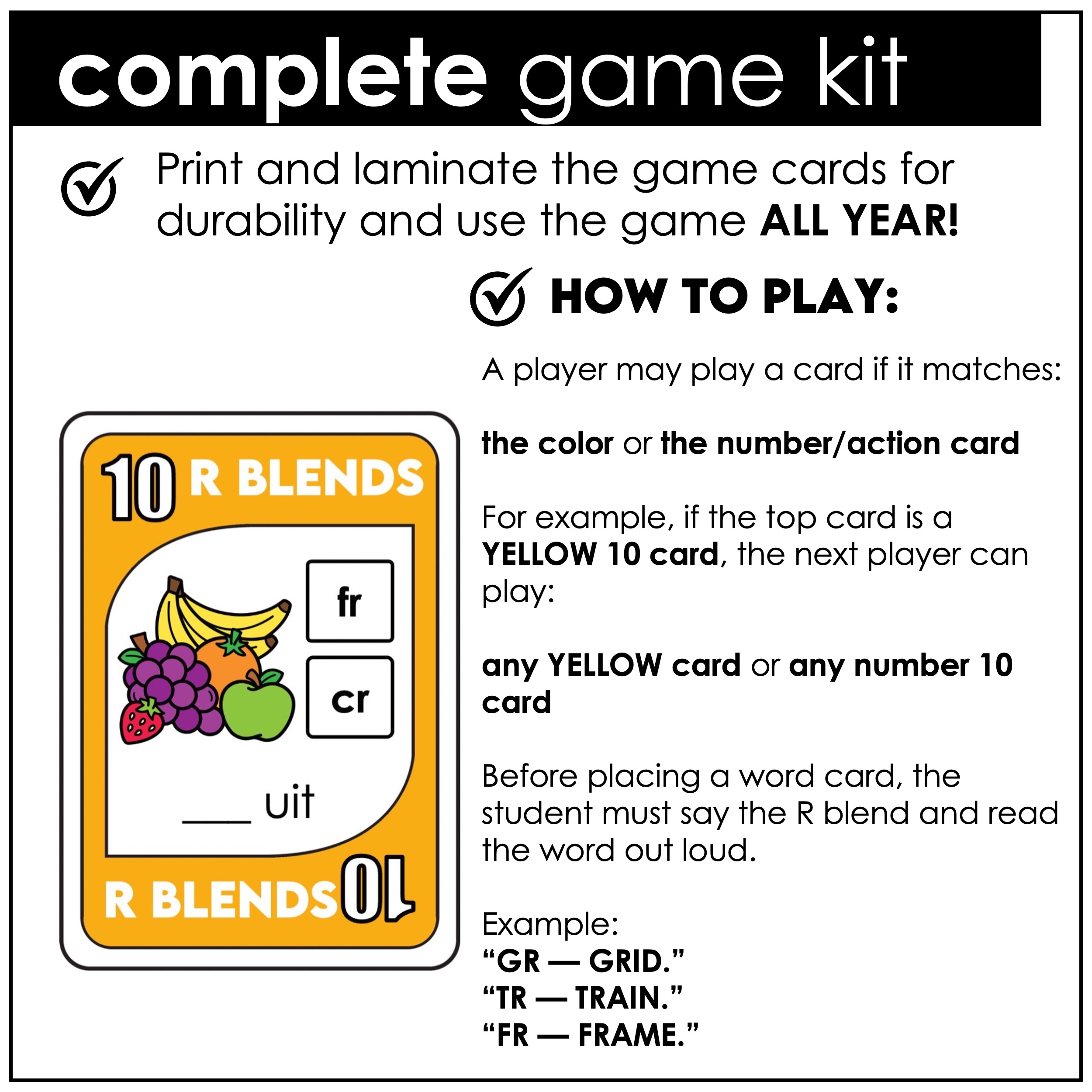
Students match cards by color or number and then read the blend word aloud before placing the card. This keeps practice simple, repetitive, and highly engaging.
You can also find this resource on Teachers Pay Teachers.
L Blends Activities for Decoding Practice
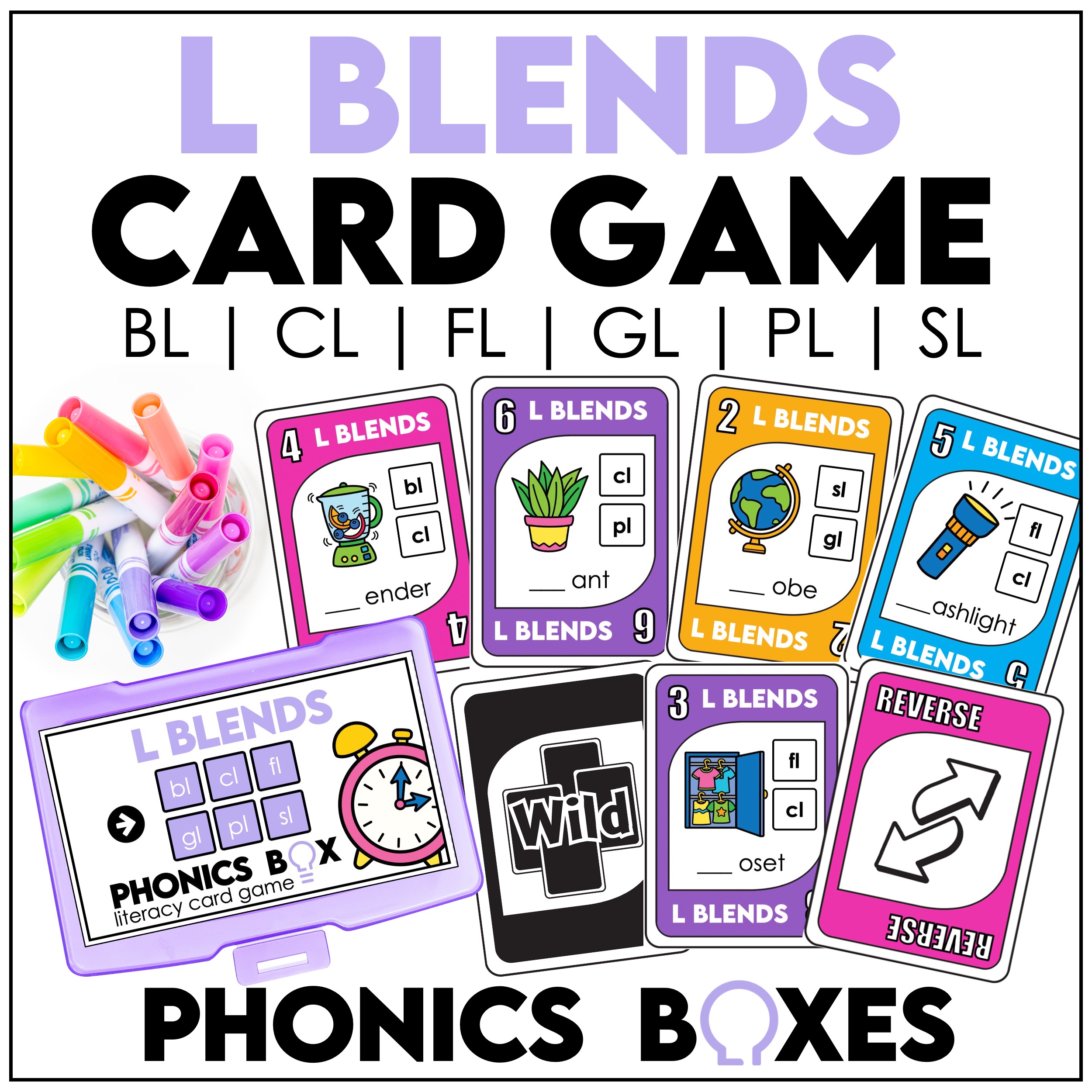
The L Blends Phonics Card Game helps students practice beginning blend words with BL, CL, FL, GL, PL, and SL.
Because students repeatedly read words aloud during gameplay, they naturally build decoding fluency and confidence over time.
You can also find this resource on Teachers Pay Teachers.
R Blends Activities for Small Groups and Intervention
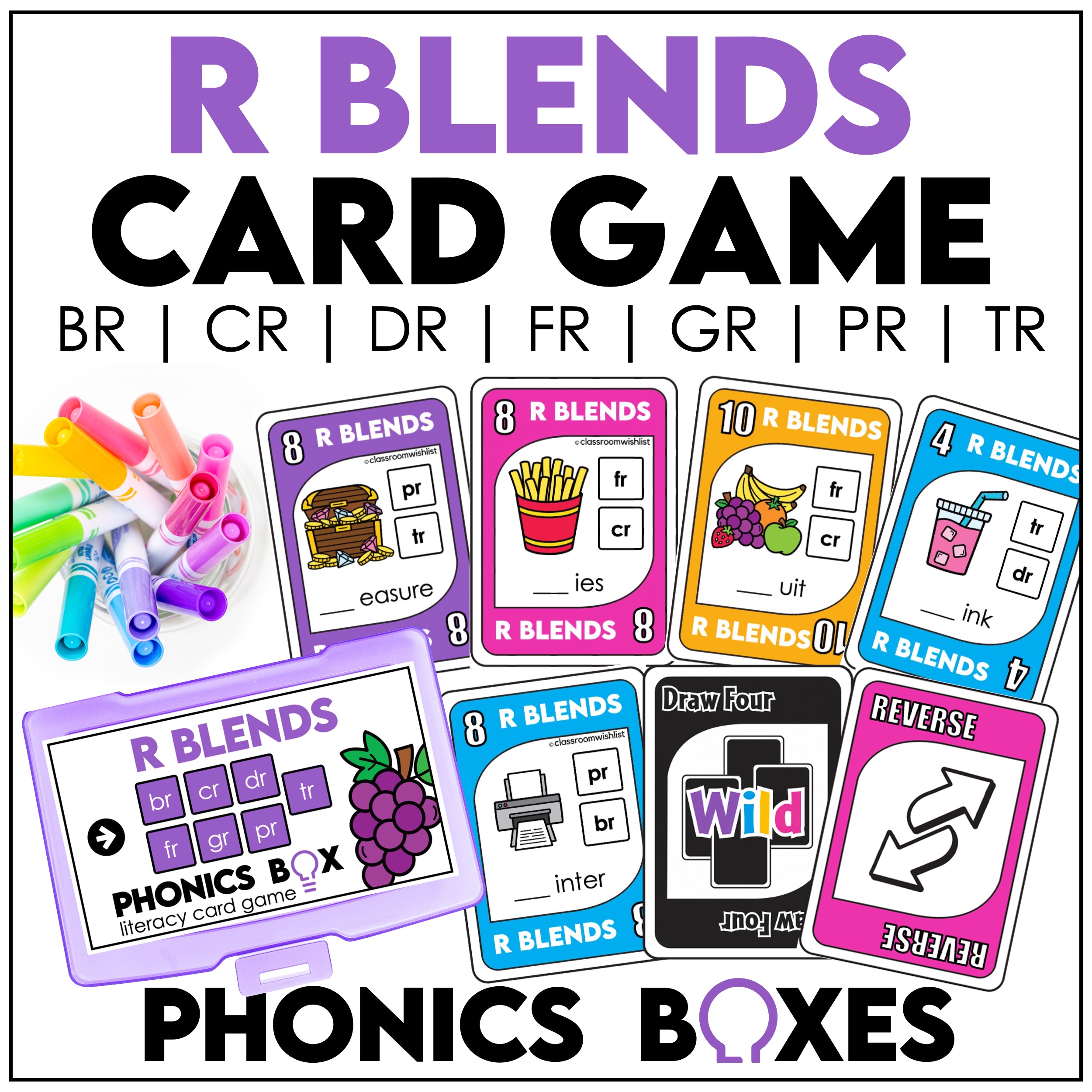
The R Blends Phonics Card Game focuses on BR, CR, DR, FR, GR, PR, and TR.
This repeated oral reading practice is especially helpful for students who omit one sound when decoding beginning blend words.
You can also find this resource on Teachers Pay Teachers.
Why Game-Based Phonics Practice Works
Hands-on phonics games increase engagement, reduce frustration, encourage repetition naturally, build decoding confidence, support struggling readers, and help students stay focused longer.
Most importantly, students often practice far more words during a game than they would during a worksheet activity. That repeated exposure is what helps beginning blends become more automatic.
Easy Ways to Use Beginning Blend Games in the Classroom
Literacy Centers
Students can play independently after the blend pattern has been introduced.
Small Groups
Use the games during targeted phonics intervention and decoding support.
Morning Work
Students can review beginning blend words while settling into class.
Early Finishers
Blend games provide meaningful review instead of busy work.
ESL and EFL Practice
The repetitive oral reading helps students strengthen pronunciation and decoding at the same time.
Frequently Asked Questions About Beginning Blends
What are beginning blends in phonics?
Beginning blends are two consonants that appear together at the start of a word while both sounds are still heard.
What is the difference between blends and digraphs?
In blends, both consonant sounds are heard. In digraphs, two letters work together to make one new sound.
Which beginning blends should be taught first?
Many teachers start with S blends, then move to L blends and R blends.
Can blend games be used for ESL students?
Yes. Blend games support both pronunciation and decoding skills for ESL and EFL learners.
How long should students practice beginning blends?
Short daily practice sessions are often more effective than long isolated drills.
Final Thoughts
Beginning blends become much easier for students when they move beyond isolated drills and start practicing through meaningful repetition.
Hands-on phonics games give students the repeated decoding practice they need while keeping learning fun and low stress. If you’re looking for simple, engaging beginning blends activities your students will actually enjoy, these phonics card games are an easy addition to literacy centers, small groups, intervention lessons, and phonics review.
Related Resources
More Blog Posts You Might Like
- 5 ESL Speaking Activities for Student Engagement
- Teacher Toolkit Unlimited ESL Resources
- Easy ESL Activities for Busy Teachers
